

Necesse 1.0 Survival: Learning the Hard Way
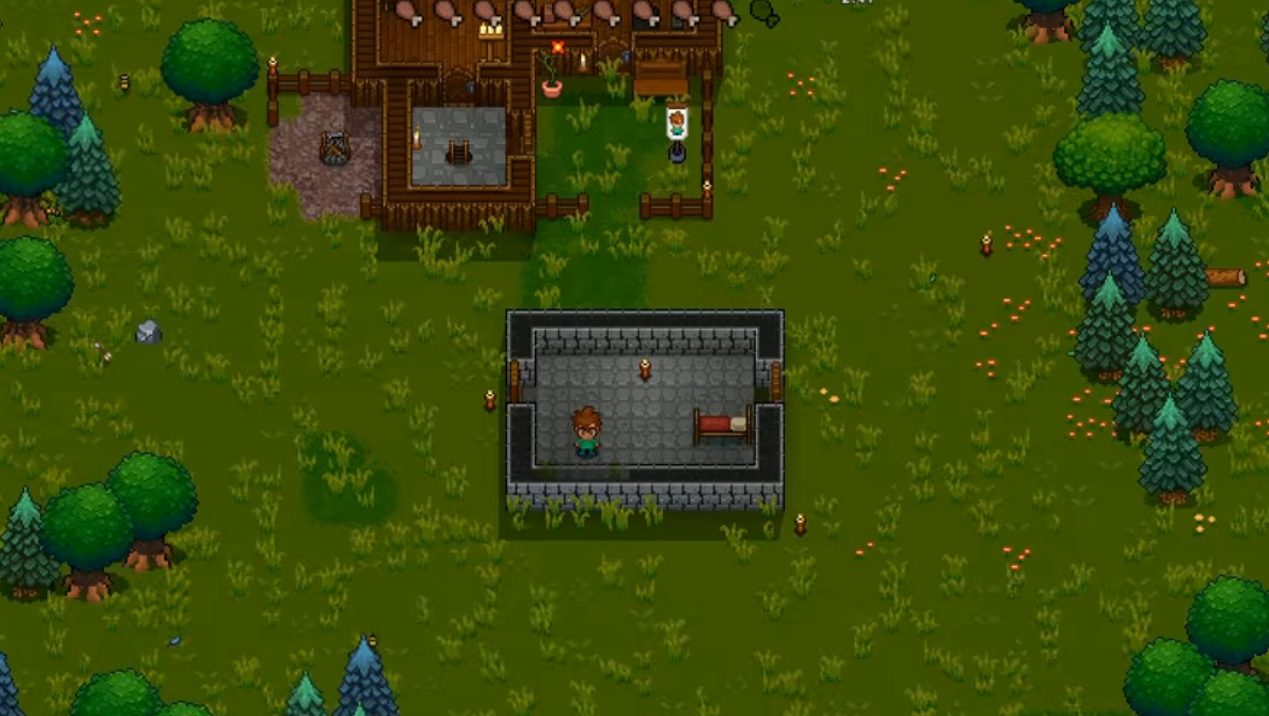
Necesse 1.0 survival has officially arrived, and it’s time to learn the hard way. Hello and welcome. And yes—before anyone asks—I’m still not entirely sure I’m pronouncing Necesse correctly. But that’s fine, because this isn’t a pronunciation guide. This is a Necesse 1.0 survival story.
Necesse has officially hit version 1.0. It’s out of early access, it has a final boss, and it now dares to call itself a complete game. That alone was enough to pull me in. I’d played it years ago, back when things were rougher, simpler, and clearly unfinished. Coming back now felt like revisiting a town you once lived in, only to realize it quietly turned into a city while you were gone.
Naturally, I did what any sane person would do.
I cranked the difficulty to Brutal.
Because if I’m going to relearn Necesse 1.0 survival, I want it to hurt. I want mistakes to matter. I want to learn through failure, panic, and bad decisions—trial by fire, the only way these games truly click.
Necesse 1.0 Survival: First Steps, Familiar But Sharper
World creation is quick. Too quick, honestly. One button press and you’re in. No dramatic loading screen. No ceremony. Just dropped straight into the world with a character you think you understand.
At first glance, Necesse feels familiar. Trees need chopping. Materials need gathering. You get different woods—oak, spruce—and already there’s a hint that resources aren’t just cosmetic. This isn’t a game where one log equals every other log.
But the big picture becomes clear almost immediately: this is not just about survival. This is about settlement building.
You’re not here to build a shack and call it a day. You’re here to establish a town. Houses. Infrastructure. Workstations. Eventually, people. Real NPC settlers who live, work, and depend on the systems you put in place.
Necesse isn’t just asking if you can survive.
It’s asking if you can manage an ecosystem.
The Underground Reality Check in Necesse 1.0 Survival
Like any good survival game, the surface world only tells half the story. The real resources—the ones that actually move progression forward—are underground.
So down the ladder you go.
Caves in Necesse are immediately hostile. Darkness matters. Enemies spawn aggressively. You’re juggling torches, weapons, positioning, and stamina while trying to remember what button does what.
And that’s when the first lesson hits: you are underprepared.
Wooden weapons technically exist, but they feel like strongly worded suggestions rather than tools. Tool damage, melee damage, ammo management—everything is spelled out in numbers, and those numbers matter.
You want better gear? You mine.
You want to mine effectively? You need better gear.
Welcome to the loop.
Combat: Scrappy and Unforgiving
Combat in Necesse is deceptively simple. On paper, it’s basic top-down action. In practice, it’s frantic, positional, and occasionally terrifying.
Enemies don’t politely line up. Archers punish you for bad angles. Melee enemies corner you in dead ends. Bombs, throwing weapons, and consumables become tools of survival, not luxuries.
At one point, I found myself pinned in a narrow corridor, health dropping, potions on cooldown, realizing there was no clean exit. That moment—that panic—is where Necesse shines. It doesn’t save you from your own positioning mistakes.
And somehow, surviving those moments feels incredible.
Resources, Refinement, and Small Victories
Eventually, you start pulling real materials out of the ground. Copper. Iron. Sapphires. Gold. Broken tools that can be repaired or melted down rather than discarded.
Necesse respects your time in subtle ways.
Smelting lets you process multiple metals simultaneously. Broken tools aren’t dead weight. Explosives can be used for mining, not just combat. Every system overlaps just enough to keep friction high but frustration manageable.
The forge becomes your anchor point. From there, you branch out: anvils, weapons, armor, ammo. You start making decisions not just about what you can craft, but what’s worth crafting now.
Skipping tiers becomes a strategy. Why make copper tools if iron is within reach? Why waste resources on temporary solutions if survival allows you to push forward?
Sometimes it works.
Sometimes it gets you nearly killed.
Settlements: Where Necesse 1.0 Survival Changes Gears
Then comes the settlement system.
You place a flag. You name your base. Suddenly, the game zooms out—not visually, but conceptually. You’re no longer just a survivor. You’re a leader.
NPCs arrive. Miners who don’t mine. Settlers who need beds you can’t figure out how to craft yet. Menus open within menus, and you realize Necesse has quietly transformed into a light colony sim.
Rooms matter. Size matters. Flooring matters. Comfort matters.
And the game doesn’t hold your hand.
You experiment. You build rooms that feel correct. You place beds, doors, tiles, hoping the system agrees with your logic. Sometimes it does. Sometimes it doesn’t.
It’s clunky at first, but there’s something deeply satisfying about watching settlers slowly populate spaces you carved out of raw stone.
This is where Necesse separates itself from pure survival games. You’re not just reacting anymore. You’re planning.
The Cost of Learning
Necesse does not protect you from yourself.
At one point, I managed to delete a massive chunk of my inventory by misunderstanding a transfer key. Seeds I’d been saving—gone. Resources—gone.
Entirely my fault.
And yet, that moment perfectly encapsulates the Necesse experience. The game assumes competence. It doesn’t slow down because you made a mistake. You adapt, rebuild, and move on.
Failure is part of the progression curve.
Armor, Progression, and Control
Once armor enters the picture, the game opens up again. Copper gear isn’t glamorous, but it buys you breathing room. Shields introduce stamina management. Trinkets add passive bonuses. Potions become tactical tools rather than panic buttons.
Combat shifts from survival horror to controlled chaos.
You’re still vulnerable—but now it’s on your terms.
And while you’re gearing up, the world keeps expanding. New biomes. Merchants who come and go. Quest hooks. Boss summoning portals quietly waiting for you to feel brave—or stupid—enough to activate them.
Exploration Without a Leash
One of the biggest changes since earlier versions is the world structure. The map no longer feels rigid or predictable. Islands, seas, and biome transitions encourage exploration without forcing it.
You’re rewarded for pushing outward, but never required to rush.
That balance is hard to strike, and Necesse pulls it off surprisingly well.
Final Thoughts: Controlled Chaos Done Right
Necesse 1.0 feels confident in what it wants to be.
It’s a survival game, yes—but it’s also a town builder, an action RPG, and a light management sim wrapped into one cohesive experience. It’s messy in places. Occasionally unintuitive. Sometimes downright mean.
But it’s honest.
Progress feels earned. Mistakes feel personal. Systems overlap just enough to reward understanding without trivializing danger.
If you like survival games that evolve beyond punching trees and eating berries—if you enjoy building something that outlasts your character’s immediate needs—Necesse 1.0 survival is absolutely worth your time.
Just… maybe don’t start on Brutal.
Or do.
You’ll learn faster that way.