

Necesse Mod Stack Reality Check: QoL Wins, Content Bloat Fails on Dedicated Servers
The highest-retention servers are not the ones with the biggest mod list. They are the ones with the cleanest update discipline. That sentence keeps showing up in admin channels for a reason. Players are no longer judging servers by launch promises. They judge by whether the world stays stable, moderation stays coherent, and rules remain understandable under pressure. If you run Necesse communities right now, this is where best necesse server hosting setup stops being a generic keyword and turns into day-to-day operational reality.
The hard truth is simple: when sentiment turns volatile, infrastructure quality and policy quality become inseparable. Strong hardware with chaotic rules still loses players. Clean rules with weak uptime still loses players. The winners are operators who treat server hosting as a product: versioned settings, documented intent, scheduled communication, and visible rollback discipline. This article focuses on that operator layer because it is where retention is won or lost.
What Is Driving This Topic in 2026
The current pressure point is larger public servers reporting repeated instability after stacking content-heavy workshop packs. Players have better comparison habits than ever. They evaluate restart behavior, event consistency, moderation tone, wipe policy, and trust signals across multiple communities before committing. That means your server identity must be explicit. A vague “we do everything” posture usually collapses into reactive management and burnout.
For admins, this creates a practical challenge: you need enough flexibility to respond to real problems without making your environment feel random. A disciplined operating rhythm solves most of this tension. Set planned change windows, communicate scope, deploy one meaningful adjustment batch, and then measure before changing again. It sounds basic, but it beats impulsive daily tweaking by a wide margin.
Why It Becomes a Retention Problem Fast
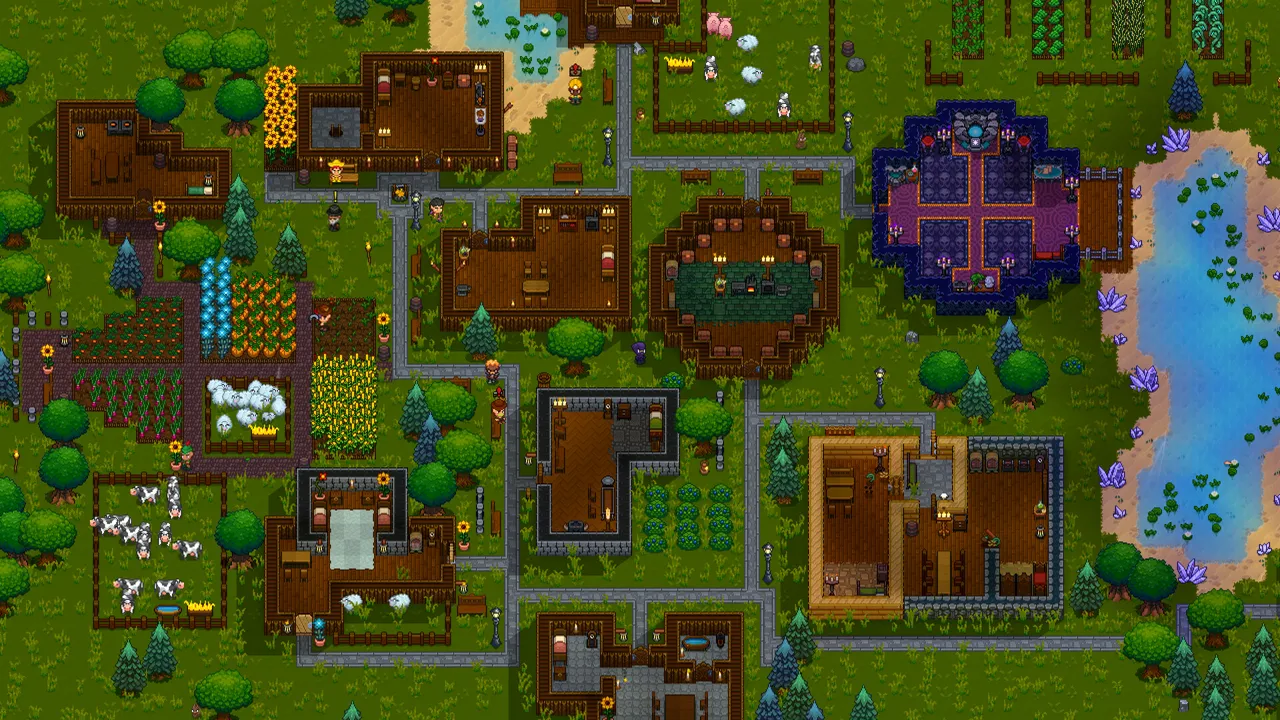
Modded hosting succeeds when curatorial restraint beats feature fomo. Most communities do not collapse in one dramatic incident. They degrade in layers: first the casuals disappear, then event organizers stop showing up, then long-session regulars drift toward better-run alternatives. By the time population drops are obvious, social momentum is already damaged.
The remedy is not louder marketing. It is operational credibility. Players need to see that your team can make decisions calmly, explain tradeoffs, and protect world continuity during bad weeks. If they trust your process, they tolerate difficult settings and occasional technical incidents. If they do not trust your process, even small hiccups trigger rumor cycles and churn.
7-Day Server Stabilization Plan
- Audit core settings and write one-sentence intent for each high-impact value.
- Publish a weekly operations note: what changes this week and what stays fixed.
- Lock restart windows and alert timings so players can plan around them.
- Verify backups by performing at least one real restore test.
- Track two daily KPIs: one stability metric and one engagement metric.
High-Impact Actions
- Build a tiered mod policy: core stability mods, optional quality-of-life, and limited seasonal experiments.
- Pin mod versions and update only during low-concurrency windows.
- Require a rollback package for every mod change request.
- Run compatibility checks against latest backups before live deployment.
- Measure crash and reconnect trends after each content update wave.
Mistakes That Keep Repeating
- Blindly importing 'top downloaded' packs into production servers.
- Ignoring dependency trees and conflicting hooks.
- Running one giant update with no staged rollout.
- Confusing short-term novelty spikes with long-term retention value.
Policy and Communication Rules That Work
Timestamp every relevant decision. If a change is experimental, label it experimental. If a rollback happens, explain root cause and next steps in one concise note. Ambiguity creates more damage than most technical incidents. Communities can live with imperfect execution; they struggle with leadership that looks inconsistent.
Second, keep staff alignment tight. Inconsistent moderator messaging is a known trust killer. Third, separate feedback intake from immediate policy changes. Listening does not mean changing settings in real time. Collect evidence for a defined window, then decide with intent. This keeps your server governable and prevents emotional policy swings.
30-Day Operations Blueprint
Days 1-7: freeze risky experiments and stabilize uptime, backups, and staffing coverage. Days 8-14: collect structured feedback and classify into performance, fairness, progression, and moderation. Days 15-21: deploy one controlled change wave with public notes. Days 22-30: evaluate impact, rollback weak changes, and lock next month priorities.
This cycle is deliberately boring, and boring is exactly what high-retention communities need. Predictability lets players invest socially. It also gives admins room to improve without panic mode. If your team can execute this rhythm for one full month, sentiment usually shifts from doomposting to constructive participation.
When Things Break: Incident Loop
- Declare incident scope quickly and provide next update timestamp.
- Freeze unrelated changes until core issue is understood.
- Collect evidence: logs, metrics, timeline, and player-facing symptoms.
- Apply smallest safe fix and watch for regressions.
- Publish post-incident summary with prevention actions.
That loop protects trust even when a technical event is ugly. Combined with stable dedicated hosting, it turns fragile communities into resilient ones. The key is consistency: same process, every time, regardless of who is on duty.
One practical habit makes this sustainable: keep a lightweight operations journal. Note what changed, why, what was observed, and what you will revisit next week. This creates continuity across shifts, reduces repeated mistakes, and gives your team a defensible record when community debates get noisy.
Reference Links
- External source: Neutral official/community reference
- Internal guide 1: Operations guide
- Internal guide 2: Configuration or optimization guide
- Internal guide 3: Troubleshooting or policy guide
Quick FAQ
Q: Is this mostly a hardware issue?
A: Hardware matters, but policy coherence and release discipline usually decide long-term retention.
Q: How often should settings change?
A: In defined windows with clear notes. Constant unscheduled tweaks erode trust.
Q: Do players really care about changelogs?
A: Yes. Transparency converts confusion into patience.
Q: What baseline should every serious server have?
A: Dedicated hosting, tested backups, incident playbook, and stable communication cadence.
Q: What is the first win to chase?
A: Consistency over novelty. Predictable operations beat chaotic feature churn.