

Unturned Server Not Showing? Why GSLT and Browser Visibility Still Kill Growth
Most 'dead server' complaints are not about gameplay. They are about discoverability failure. That mood is not random noise anymore. It is a reliable signal coming from active players, clan organizers, and admins who still care enough to fight over details. For anyone running Unturned communities, the argument is no longer just about the next content drop. It is about whether your dedicated servers feel alive, stable, and honestly managed during uncertain cycles. This is why unturned dedicated server hosting matters in a practical sense: performance, trust, and communication all converge in one place.
The uncomfortable truth is that server operations now shape player sentiment almost as much as official announcements. If your world lags, moderation feels inconsistent, or policies change without warning, people assume leadership drift and quietly leave. If your hosting stack is dependable and your decisions are explained, the same players become patient. In short, when hype is low, reliability becomes your marketing. That is not glamorous, but it is how durable communities are built.
What Is Actually Happening Right Now
The current pressure point is persistent GSLT/token confusion and listing instability among community operators. Many admins try to solve this with bigger promises and louder branding, but players are not asking for slogans. They want signs that somebody is steering the ship with intent. The better approach is operational honesty: define what your server is, what it is not, what changes are planned, and what will stay stable. A focused server identity beats a “please everyone” strategy every single time.
Unturned communities are also more data-literate than before. They compare uptime, restart quality, rule consistency, moderation tone, and event cadence across multiple servers in the same week. That means your differentiation comes from execution, not from claiming to execute. Well-tuned hosting helps with CPU/RAM/network stability, but long-term trust comes from predictable behavior by admins and moderators.
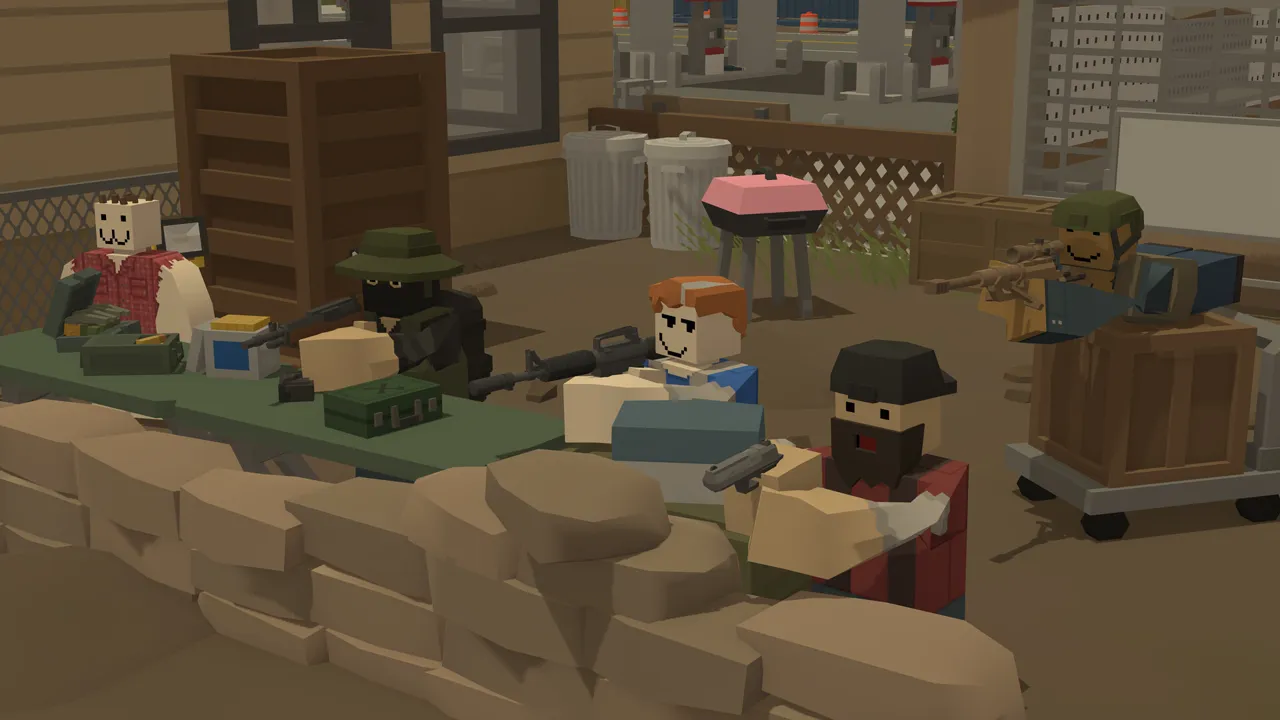
The Operator View: Why This Becomes a Retention Problem
Growth starts with visibility hygiene before any content strategy. When communities get frustrated, they do not all quit at once. They thin out in waves: first casuals, then event organizers, then the reliable middle who kept evenings active. By the time hardcore regulars notice the drop, the social engine is already damaged. This is why retention needs structure instead of heroic improvisation.
A practical standard is to run the server like a live service product: clear ownership, visible changelog rhythm, incident playbook, and rollback discipline. You do not need enterprise theater. You need dependable habits. Players can tolerate strict rules, difficult settings, and occasional outages. They rarely tolerate confusion.
7-Day Action Plan for Dedicated Hosting Stability
- Audit current server settings and write down intent behind each critical value.
- Publish one concise status post to your players: what will change this week and what will not.
- Schedule restarts and warnings on fixed time blocks; avoid surprise downtime.
- Review backups and actually test restore, not just backup creation.
- Track one engagement metric and one stability metric every day.
High-Impact Moves That Work
- Validate GSLT before every major maintenance window.
- Audit ports and query visibility after each environment change.
- Keep one documented onboarding path for players joining through browser or direct connect.
- Monitor failed join attempts and classify root causes weekly.
- Treat browser listing as an SLO: measurable, monitored, and owned.
Mistakes That Keep Repeating
- Changing network settings without post-change verification.
- Assuming 'it works for me' equals global visibility.
- Mixing production and test instances under confusing names.
- Ignoring token expiry and auth drift signals.
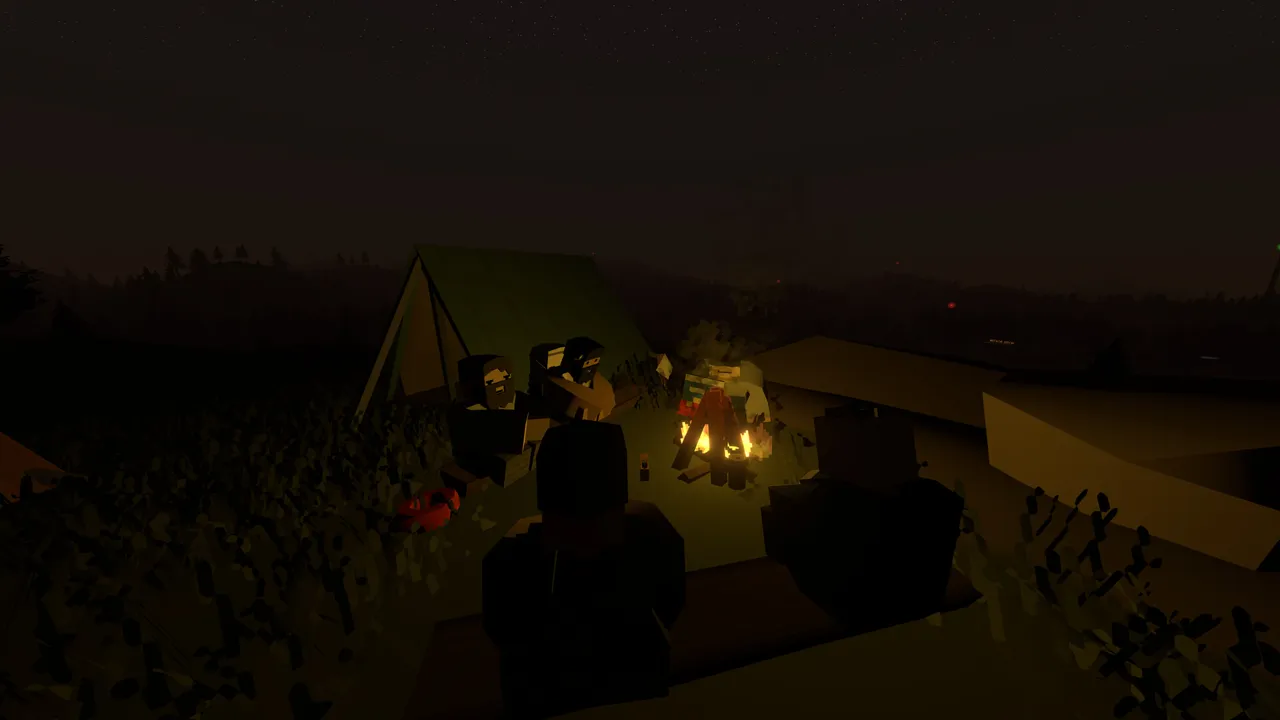
Communication Rules That Prevent Drama
Use plain language and timestamp every important decision. If you run a trial config, label it as trial. If you roll back, explain why in one paragraph. If an incident is unresolved, say so openly with next update time. This sounds basic, but this single discipline can cut rumor spirals by half. People forgive imperfect execution; they do not forgive silence that feels like disrespect.
Second rule: keep moderators aligned on tone and escalation. Inconsistent moderator messaging destroys more trust than occasional lag spikes. Third rule: do not turn every debate into a referendum. Collect feedback, then decide on schedule. Communities need a listening process, not permanent negotiation paralysis.
30-Day Execution Blueprint
Days 1-7: freeze risky experiments and stabilize. Confirm backup integrity, restart windows, and admin coverage. Days 8-14: collect structured feedback, not random hot takes. Group complaints into buckets: performance, fairness, progression, moderation. Days 15-21: deploy one controlled improvement wave and document every change. Days 22-30: review impact, rollback weak changes, and lock next-month priorities.
This cadence sounds boring, and that is exactly why it works. Communities thrive when they can predict operator behavior. Players do not need perfect certainty about future official updates, but they do need confidence that your server leadership is rational under pressure. If you can prove consistency for one full month, sentiment usually shifts from doomposting to constructive feedback.
Incident Playbook (Use This When Things Go Sideways)
- Declare incident scope quickly: who is affected, which systems, expected next update time.
- Freeze non-essential changes until root cause is identified.
- Collect evidence first: logs, metrics, moderation timeline, player reports.
- Apply the smallest safe fix, then monitor for regression.
- Publish a post-incident summary with prevention actions.
Most communities do not quit because of one outage. They quit after repeated confusion. A clean incident loop preserves trust even when the technical event is ugly. Pair this playbook with strong dedicated hosting practices and your admin team can absorb shocks without losing credibility.
Reference Links
- External source: Neutral official/community reference
- Internal guide 1: Operations guide
- Internal guide 2: Configuration or optimization guide
- Internal guide 3: Troubleshooting or policy guide
Quick FAQ
Q: Is this mostly a hardware problem?
A: Hardware matters, but policy clarity and rollout discipline are equally important for retention.
Q: How often should we change settings?
A: In controlled windows, with changelogs. Daily random tweaks usually hurt trust.
Q: Can we run experimental and stable audiences together?
A: Yes, but only with explicit separation of environments and expectations.
Q: What is the minimum professional baseline?
A: Dedicated hosting, tested backups, incident playbook, and transparent communication cadence.
Q: What should admins prioritize this month?
A: Consistency. Stable servers, predictable policy, visible operations notes, and one clear community identity.