

100+ Essential Unturned Survival Tips: Master Every Game Mechanic
Most Unturned guides talk about tricks, but the stuff that actually keeps you alive is quieter: tiny habits you repeat until they feel automatic. When those habits stack up, you stop dying to your own inventory, you stop getting spotted first, and you stop losing fights you should have won.
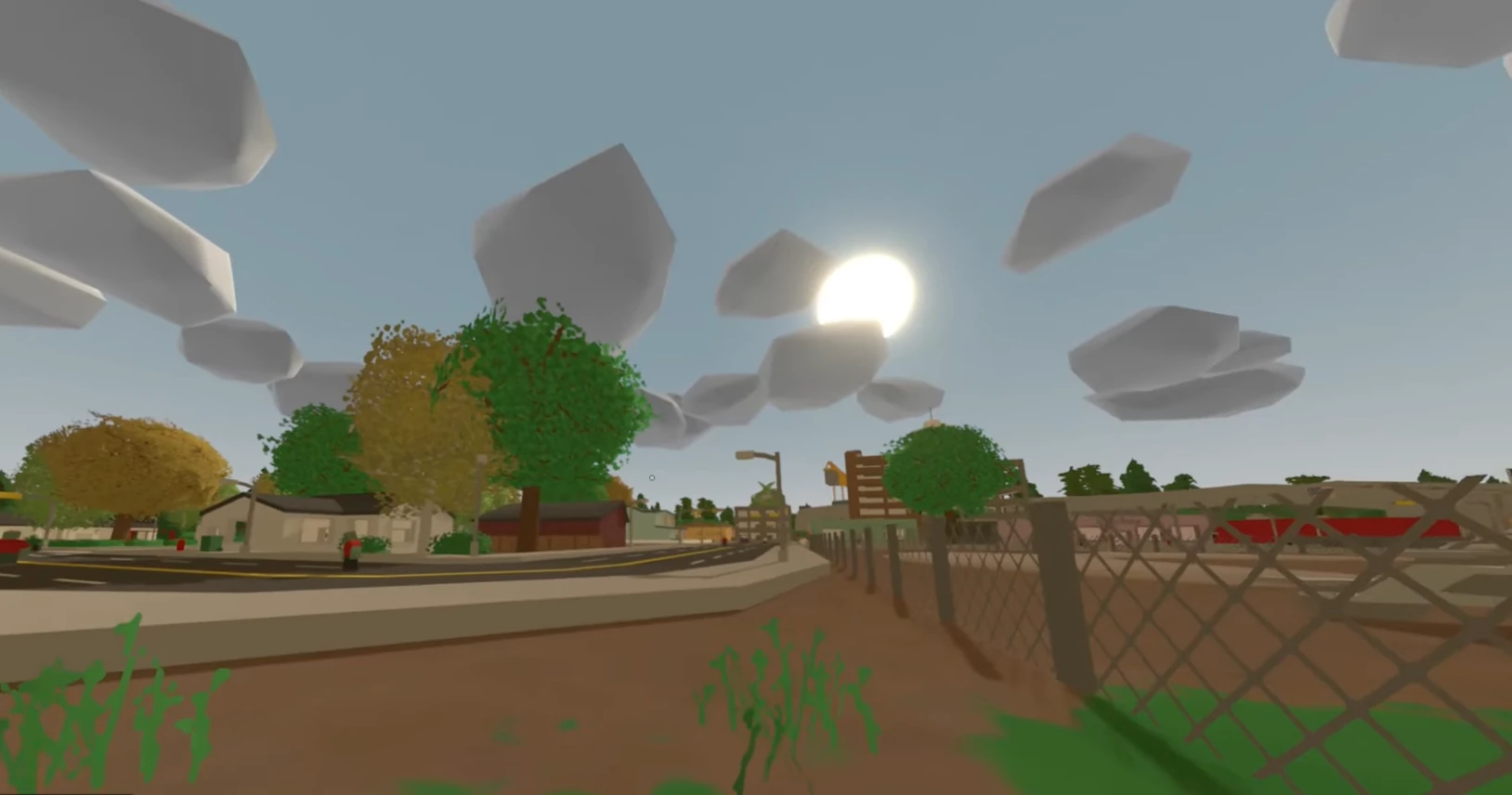
Play for information first
Third-person peeking is the first habit most PvP players build for a reason. It gives you free intel without exposing your head. Bind it somewhere you can hit instantly, then treat every corner like a question you can answer before you commit.
Maxing parkour and cardio is another information upgrade. It changes the angles you can take, the routes you can escape on, and how quickly you can reset a fight. Even climbing trees becomes practical when you need an odd line of sight or a fast exit.
Movement habits that save you from dumb deaths
The umbrella is less a novelty and more a panic button. If you equip it at the last second before you land, you can avoid fall damage entirely. It lets you take risky jumps and still live to loot the result.
When you sprint, moving at a slight angle is a touch faster than running straight. When you jump while running, your footsteps are quieter. None of this is dramatic, but in Unturned, subtle advantages matter.
Inventory speed beats inventory perfection
Rotate items with R. Right-click an item and hit numbers 3-0 to hotkey it. Hold CTRL while clicking to equip, drop, or move items faster. These are tiny inputs, but they are the difference between “I had a bandage” and “I actually used it.”
If your inventory turns into chaos, do the reset: drop your clothes, put them back on, and reload items one by one. It is boring, but it restores order and saves time in the next fight.
Combat essentials that never stop working
A military knife can one-shot an unhelmeted player. That fact changes how you move through tight spaces and how much you respect helmets. If you are running light, assume one mistake ends you.
Accuracy improves when you crouch or go prone. Against mega zombies, get on a box or any high ground, go prone, and knife them safely. When a mega throws a rock, drop prone right after the animation to dodge the hit.
Visibility tells most players ignore
Night vision goggles glow to other players. If you are sneaking at night with NVGs on, you are wearing a sign. Night vision scopes do not glow the same way. Tactical lasers show a red glow; rangefinders do not. These little tells explain half the “How did they see me?” moments.
Water and settings that change the fight
NVGs do not work through water, but water quality settings do. If you can afford it, max water quality for better underwater visibility. Third-person also lets you tilt your view to see through water more easily than first-person.
Max FOV is not subtle, but it widens your awareness and helps you track threats without whipping your mouse around.
Resources, XP, and early gear
If you want metal, mine metal nodes with pickaxes or jackhammers. Do not rely on luck. Washing machines on some maps can spawn ranger loot, and occasionally ridiculous finds like rocket launchers. It is rare, but it rewards players who check the boring containers.
Targets on maps give easy XP. Full moons (look for the moon icon) make zombies spawn faster and give more XP, which is great for farming if you are ready for the pressure.
Travel and vehicles without the regrets
Do not run directly down roads. Move parallel to them so you can navigate without being an easy ambush. If you get a vehicle, plate the windows with metal to reduce drive-by deaths.
Lockers on vehicles add storage and extra protection, but when the vehicle breaks, the lockers break too and the loot spills. The APC is the standout: tires cannot be popped, it swims, and it shrugs off low-caliber damage.
Raiding, base defense, and zombie pressure
Bases do not render at certain distances, but players still do. That means you can see someone “standing in the open” before you see the base around them. Do not assume a fight is fair until you close the distance.
Zombies can raid for you. Drag hordes to a base, use flares for distractions, and keep horde beacons elevated so zombies and mega rocks cannot smash them.
Crafting and clutch items
Makeshift scopes, suppressors, and splints are craftable. Splints are not just for broken legs; each one heals 10%. Olympic and boost skills let you throw grenades farther, which changes how you clear space safely.
An oxygenator extends underwater time, which opens up underwater bases and sneaky routes. Secondary weapons work underwater, so do not assume swimming makes you safe.
Small survival habits that stack up
Do not log out inside loot locations. Players can appear before their loading screen finishes, and zombies can hit you instantly on rejoin. If you get a bad spawn, you can suicide for a reroll, but doing it repeatedly locks you into the same spawn.
Drop a bedroll outside a city before you go in. Manage inventory while prone to lower your profile. Hold Shift to steady aim when sniping. These little patterns are how you outlive players with better guns.
Frequently Asked Questions
What are the most important Unturned survival habits for beginners?
Third-person peeking, inventory hotkeys, and crouching for accuracy are the core trio. They make you safer in fights and faster in every decision.
How do I improve PvP consistency?
Play for information first, use cover, and assume unhelmeted heads are one mistake away from a knife one-shot. Your camera and movement habits matter more than raw aim.
What is the fastest way to build resources?
Mine metal nodes directly and use crafting to fill gear gaps. Checking washing machines and farming full moons for XP are reliable supplements, not substitutes.