So, you’ve spent hours crafting the perfect base, the ultimate resource farm, or maybe just a ridiculously complicated contraption in your favorite survival game. Now you want to share it with your friends on your server, or maybe even just back it up so you don’t lose it all if something goes wrong. Uploading blueprints is the answer, and honestly, it’s easier than you might think. Let’s break it down step by step.
Why Bother with Blueprints?
Before we dive into the ‘how,’ let’s quickly chat about the ‘why.’ Blueprints are basically a digital copy of your builds. They’re a lifesaver for a bunch of reasons:
Sharing is Caring: You can easily share your amazing creations with other players on your server. No more trying to explain complex designs or painstakingly rebuilding them from scratch.
Backup Bliss: Losing all your hard work to a server glitch or accidental deletion is a nightmare. Blueprints are a fantastic way to back up your buildings and machines.
Replication Revolution: Once you have a blueprint, you can easily rebuild your structures in new locations or on different servers. It’s like having a magic copy-paste tool for your entire base!
Learning from Others: By using blueprints, you can explore designs from other players and learn new build techniques. It’s a great way to improve your own skills.
The General Blueprint Upload Process
The exact steps for uploading blueprints can vary a little depending on the specific game you’re playing. However, the general process is usually quite similar. Here’s the breakdown:
Create Your Blueprint: First, you need to actually capture the structure as a blueprint. Most games have a tool for this. It usually involves selecting the area you want to save. The game will then save the selection as a blueprint file.
Find the Blueprint File: The location of your blueprint files will depend on the game and your operating system. Typically, they are saved within the game’s directory folder or in a user-specific folder. You can search for this information online if needed.
Access Your Server Files: Find where your server keeps its files. Access it through a file explorer or your host’s file management interface.
Upload the Blueprint: Once you’ve located your server’s blueprint folder, upload the file. Keep track of file names so you can use them later in the game.
Load the Blueprint: Use the game’s blueprint tool or menu to load the blueprint and place it in-game.
Common Issues and Troubleshooting
File Location Confusion: Double-check the game’s documentation or forums for blueprint file locations.
Permissions Problems: Ensure you have the necessary permissions to access the server’s files.
Wrong File Format: Verify the file is in the correct format for the game (e.g., .bp, .nbt).
Corrupted Blueprints: If a file is corrupted, try recreating the blueprint from scratch.
Blueprint Not Showing Up In-Game: Restart the server or game client, and ensure the file name matches the expected naming convention.
Game-Specific Tips
Minecraft: Use mods like “Schematica” or “Litematica.” Upload .schematic files to your server’s plugins folder.
Space Engineers: Blueprints are created in-game and saved in a specific folder. Load them via the blueprint menu.
Satisfactory: Use the blueprint designer to capture builds. Upload the files to your server’s blueprint folder, then load them via the designer tool.
Wrapping Up
Uploading blueprints is a simple process that can significantly enhance your gaming experience. It’s great for sharing, backup, and generally just having more fun with your builds. While specific steps will vary from game to game, you should be well on your way to managing your blueprints with the information here. Happy building, and may all your blueprints be perfect!
I’m still trying to wrap my head around how quickly some players reach coal power in this game. Currently, I’ve spent a whopping 7 hours to finally get there, and even then, Ada is still giving me a hard time about using the right resources.
At first, it feels like an eternity of gathering leaves and chopping down trees just to fuel those belt-fed biomass burners. But with each restart, I’m getting closer. Maybe not as quickly as others, but I’ll take the progress.
One thing’s for certain – rushing for coal power is no longer the priority it once was. The introduction of belt-fed biomass burners has been a game-changer in my book. No more stressing about resource management; I can focus on building something, anything.
As someone who doesn’t prioritize speed running, I find myself enjoying the game at my own pace. If it takes me 3 hours or 3 days to reach coal power, that’s okay by me. It’s not about beating a timer; it’s about exploring and learning.
Of course, there are those speed demons out there who can knock it out in under two hours. I’m looking at you, high-fuel-consumption enthusiasts! For the rest of us mere mortals, 7 hours is a decent chunk of time to get started with building something more substantial.
Some players choose to skip coal power altogether and dive straight into oil production. Not me; I’ll take my sweet time getting there. After all, it’s not like we’re racing against the clock or anything… oh wait, we are!
When you finally do reach coal power, the sense of accomplishment is unmatched. The struggle is real, but the payoff is worth it.
Alright gamers, listen up! We’ve got some seriously exciting news for anyone who’s been craving a fresh, unique experience in the gaming world. Get ready to mark your calendars because Schedule I, a game that’s been generating buzz for its bold concept and immersive gameplay, is officially slated to launch on Steam in 2025!
Now, I know what you might be thinking: “Schedule I? What’s that even about?” Well, buckle in, because this is where things get interesting. While the developers are keeping some of the juicier details under wraps, what we do know points to a game that’s not afraid to push boundaries and explore some pretty thought-provoking themes.
What We Know So Far: A Glimpse into the World of Schedule I
From what’s been trickling out of the development team, Schedule I seems to be a narrative-driven adventure game with a strong emphasis on player choice and consequence. The story apparently revolves around a near-future society grappling with complex issues surrounding mental health, societal control, and the very nature of reality.
Think Deus Ex meets Disco Elysium, but with a completely original and potentially mind-bending twist.
Intriguing Story: Branching narrative with meaningful choices and multiple endings.
Moral Ambiguity: Complex ethical dilemmas without clear right or wrong answers.
Atmospheric World: Cyberpunk-dystopian blend with immersive environments and characters.
Unique Gameplay Mechanics: Innovative mechanics that tie into the game’s core themes.
Steam Release: Coming to Steam in 2025, with potential for community features and mods.
Why You Should Be Excited: A Fresh Take on Gaming
In a market saturated with sequels and reboots, Schedule I stands out as a game with the potential to offer something truly unique.
Originality: A bold and fresh idea, not just another rehash.
Meaningful Choices: A branching story where your decisions have real impact.
Thought-Provoking Themes: Tackles deep, important issues through gameplay.
The Mystery: The secrecy adds to the intrigue and anticipation.
What We Still Don’t Know: The Burning Questions
The “Schedule I” Connection: What exactly does the title refer to?
Gameplay Details: Will there be combat, puzzles, or something else entirely?
The Setting: What is this near-future society really like?
The Characters: Who are they and what are their roles?
Mod Support: Will there be Steam Workshop integration?
The Road to 2025: Keeping an Eye on Development
With the Steam release window set for 2025, there’s still a long road ahead. In the meantime, here’s how you can stay in the loop:
Wishlist on Steam: Add Schedule I to your wishlist (once available) for updates and announcements.
Follow the Developers: Check out their website and social channels for news and updates.
Join the Community: Engage with other fans on forums or Discord servers to share theories and excitement.
Final Thoughts: Get Ready for a Unique Gaming Experience
Schedule I has the potential to be something truly special. Its bold concept, immersive world, and emphasis on player choice make it a game that’s worth keeping an eye on. So, mark your calendars for 2025, wishlist it on Steam, and get ready to embark on a gaming experience unlike any other!
I, for one, can’t wait to see what the future holds for Schedule I. Let the hype begin!
Sealed Realms Now Require Tokens – A Step Back for Freedom
I’m still trying to wrap my head around the latest update that requires collecting tokens to enter sealed realms. At first, it might not seem like a huge deal, but the more I think about it, the more I realize how much this change limits our freedom to explore and enjoy the game.
The idea of making it “sealed” makes sense, but in practice, it’s a whole different story. The fact that you can get tokens retroactively for bosses killed before the update is a small consolation, but let’s be real – who doesn’t love a good surprise? Not having to go back and forth, trying to remember which boss gave us what token is already frustrating.
And then there’s the added bonus of themed skills and damage boosts. It’s a nice touch, but I’m not sure if it’ll make up for the loss of spontaneity in our gameplay experience. How many times have we stumbled upon an amazing, hidden area or found an incredible drop just because we decided to take a different path? The new system seems to discourage that kind of exploration.
I get what the developers were going for – making sure we can’t exploit the system and get an unfair advantage. But at what cost? I’m worried about the long-term implications of this change. Will it lead to more gated content or limited access to certain areas?
It’s not just about the tokens themselves, but also the fact that our journey log might become a crucial reference point for every new challenge we encounter. We’re already relying on memory and notes to keep track of what skills work best with which bosses – adding yet another layer of complexity can’t be beneficial.
I hope the rewards are indeed better this time around. If not, it’s going to feel like we’re grinding just to get scraps. The freedom to explore was a major part of this game’s charm; I don’t want to see that taken away from us.
Why Enshrouded Struggles With Server Load Despite Available Resources?
Have you ever played Enshrouded and found it laggy or almost impossible to play, even when it seems like your server has lots of power left to use? Got errors like “Server Overloaded. You are likely to experience issues.” or “High Server Load. There might be some hiccups.”? You’re not alone. This is a common problem, and it’s a bit of a mystery. Hosting Enshrouded on low-latency hardware like our Valheim server hosting setups often clears those overload warnings before you even tweak game files.
What’s Going On?
Even though it looks like there are enough resources, like CPU and RAM, the game doesn’t run smoothly. It might be because there’s something wrong with the game itself or how it was made. This means the game might not be using the server’s power correctly. People often think the server is very busy, but actually, it’s not.
Why Does This Happen?
There could be a few reasons. First, the game might have bugs or not be designed well, which stops it from using all the server resources available. Also, the way we check how busy the server is could be giving us the wrong idea. This makes it hard to know how much power the server is really using.
Can It Be Fixed?
Some people tried moving the game to a different type of container, like Proton, and it helped. This suggests that the problem might also involve the software used to run the game on Linux servers. Changing settings or updating the game might improve how it uses the server’s power.
In the end, understanding and fixing this issue will help make sure the game can run well, even when lots of people are playing. It’s about getting the game to use all the power the server has to offer.
Sledders Game: The Snowmobile Experience for Gamers and Outdoor Enthusiasts
Introduction: What is Sledders?
Okay, so you’re into snowmobiles, right? Or maybe you just love open-world games with cool physics and a ton of freedom? Either way, you need to check out Sledders, a snowmobile game that’s been making waves. It’s not your typical arcade racer; this is a full-on simulation that tries to capture the real feeling of ripping through powder on a snowmobile. We can all agree this is the ultimate sledding game.
Forget about simple point-A-to-point-B races. Sledders is about exploring massive environments, mastering technical maneuvers, and pushing your skills to the limit. Think of it as the Snowrunner or Mudrunner of snowmobiling, but with more air time and less hauling lumber.
Key Features That Make Sledders Stand Out
Realistic Physics: This is the big one. Sledders doesn’t mess around with arcade-style handling. The developers have clearly put a ton of effort into simulating how snowmobiles actually behave. Weight transfer, suspension, track grip – it all matters.
Massive Open World: We’re talking huge maps here. Explore backcountry trails, scale mountains, and discover hidden jumps.
Deep Customization: Swap out parts, upgrade performance, and create custom paint jobs to match your riding style.
Mod Support: A thriving modding community adds new maps, sleds, and challenges.
Multiplayer: Explore with friends, compete in races, or session lines together.
Gameplay: Mastering the Art of the Sled
Alright, let’s talk about what it’s actually like to play Sledders. The physics are pretty realistic, so here are a few tips to get you started:
Learn to Read the Terrain: Snow affects handling. Deep powder slows you down, packed snow gives grip.
Master Weight Transfer: Crucial for control – lean into turns, shift back uphill.
Use the Brakes Sparingly: Over-braking can cause a loss of control. Use engine braking or light taps.
Experiment with Tuning: Adjust settings like suspension and track tension to improve performance.
The Sledders Community: Where the Magic Happens
One of the best parts of Sledders is its active and passionate community. Here’s how to get involved:
Check Out the Modding Scene: Realistic sleds, new maps, and creative modes await.
Join the Discord Server: Chat with other players, get help, and share your setups.
Watch YouTube Tutorials: Learn everything from basics to advanced modding.
Participate in Events: Join races, group rides, and community challenges.
Hardware Requirements: Can Your PC Handle the Snow?
Minimum:
OS: Windows 7 64-bit
Processor: Intel Core i5-4460 or AMD FX-6300
Memory: 8 GB RAM
Graphics: NVIDIA GeForce GTX 960 or AMD Radeon R7 370
DirectX: Version 11
Storage: 20 GB available space
Recommended:
OS: Windows 10 64-bit
Processor: Intel Core i7-7700K or AMD Ryzen 5 1600
Memory: 16 GB RAM
Graphics: NVIDIA GeForce GTX 1070 or AMD Radeon RX 580
DirectX: Version 11
Storage: 20 GB available space
For the best experience, a GPU with at least 8GB VRAM and an SSD is recommended.
Why Sledders is More Than Just a Game
Sledders isn’t just another video game. It’s a snowmobiling experience that captures the thrill and challenge of real riding. Whether you’re a seasoned sledder or a beginner, there’s something for everyone.
It’s addicting, challenging, and rewarding. You may start with a quick session and end up spending hours perfecting a single jump.
The Future of Sledders: What’s Next?
New Maps: More environments and challenges.
New Sleds: Additional snowmobiles with customization options.
Improved Physics: Continued engine refinement for realism.
More Multiplayer Features: New team modes and cooperative play.
Final Verdict: Is Sledders Worth It?
Absolutely. If you’re into snowmobiling, open-world exploration, or realistic simulations, Sledders is worth your time. The learning curve is steep, but the satisfaction is real.
Just be warned – it’s addictive. Once you start, you may not want to stop. And with modding support, the adventure never ends.
So, what are you waiting for? Grab your virtual helmet, fire up your sled, and hit the slopes!
Getting smokeless powder can be a real pain when you’re stuck with oil residue. But don’t worry, we’ve got some answers for you.
So, it seems that people are getting stuck on this particular step in the Manufacturing and Assembly Mechanics (MAM) node. I mean, who hasn’t been there? You think you’re doing everything right, but instead of those coveted little vials, all you’re left with is heavy oil residue packaged into large containers.
The problem lies in setting up your refinery correctly. It’s easy to get caught up in the process and miss a crucial step or two. That was my mistake when I first started trying to make smokeless powder. And trust me, it’s frustrating.
So here’s what you need to do:
First off, you’ll need to make some black powder using an assembler. This is where most people go wrong – they forget to actually set up the output correctly. Make sure you’re producing black powder and not compacted coal or sulfur.
Once that’s done, hook up your black powder output to a refinery set to produce smokeless powder. It’s also important to connect this pipe to some heavy oil residue. Yes, you read that right – you need two refineries for this step. I know, it’s confusing, but just go with it.
Now, the final bit of advice: don’t forget about any solid by-product (plastic/rubber/polymer resin) that comes from making that heavy oil residue. You’ll need to get rid of it, whether you send it down the sink or find some other creative solution.
And there you have it – smokeless powder without all the hassle and confusion. I mean, who doesn’t love a good challenge?
As I stepped out of my spaceship and onto the red sands of this desert planet, I couldn’t help but feel a sense of excitement and trepidation. Before me lay a vast, barren expanse, seemingly devoid of life or purpose. But as I gazed upwards, my eyes scanning the horizon for any sign of activity, I spotted it – a sprawling factory complex, its steel and concrete spires piercing the crimson sky.
I’ve been building this factory from scratch, fueled by a mix of curiosity and desperation. You see, I’d recently crash-landed on this desolate world with limited resources and a dwindling supply of oxygen. The only way to survive was to construct a means of extracting vital materials and harnessing the planet’s energy.
As I began to explore the dusty terrain, my mind whirring with plans and calculations, a solution crystallized within me. Why not take to the skies? By building a series of aerial platforms and conveyor belts, I could connect the scattered mining sites across this unforgiving landscape, creating an efficient network that would allow me to extract resources without sacrificing precious time or energy.
Now, as I soar above my creation in a makeshift hovercraft, the wind whipping through my hair (if I had any left, that is), I’m struck by the sheer scale and complexity of what I’ve accomplished. A maze of pipes, wires, and machinery stretches out before me, crisscrossing the desert floor like some twisted, industrial spider’s web.
The view is nothing short of breathtaking – a 360-degree panorama of rust-red dunes, rocky outcroppings, and jagged canyons, all punctuated by the rhythmic thud-thud-thud of machinery and the distant hum of reactors. It’s as if I’ve transformed this alien wasteland into some twisted, high-tech playground.
As I bank and dive through the skies, my craft’s thrusters kicking in to compensate for the sudden shift in momentum, I’m reminded of the countless challenges that brought me to this moment. The endless hours of drilling, welding, and tweaking; the frustrating setbacks and crushing defeats; the momentary victories and fleeting triumphs.
But none of those struggles seem quite so insurmountable now as I gaze out upon my creation – a testament to human ingenuity and perseverance in the face of adversity.
The hovercraft’s engines sputter momentarily before roaring back to life, sending me careening towards the factory’s central hub. From this vantage point, I can see the full extent of my endeavors: the sprawling refinery towers, the endless conveyor belts, and the intricate network of pipes and tubing that crisscrosses the landscape.
And yet… amidst all this industrial majesty, a nagging sense of unease begins to creep over me. It’s not just the sheer scale of what I’ve built; it’s the existential implications – the realization that, in order to survive, I’ve had to sacrifice the very planet itself to my own needs.
The desert stretches out before me like an endless grave, scarred and ravaged by the machines that have allowed me to thrive. The silence is oppressive, punctuated only by the creaking of rusted hinges, the whirring of fans, and the distant rumble of machinery.
I’ll continue to tinker, to optimize, and to adapt – not just for my own survival but also for the sake of this desolate world, which I’ve somehow come to regard as home.
Sons of the Forest
Server Hosting for co-op survival, base building, and cave runs
Launch a dedicated Sons of the Forest server in minutes with
stable performance, fast saves, and easy server management. Keep your island online
so your crew can build, explore, and survive together.
Yes. Set a password or whitelist players
in the control panel.
Plans scale by player slots. Pick S, M,
or L based on your group size.
Yes. Upload your world save via the file
manager or FTP and keep all player data.
We host in US West (Oregon), US East (Virginia),
US North-East (Toronto), Europe West (Paris), and Australia (Sydney) for low latency.
Yes. We run automatic snapshots and provide
on-demand backups for quick restores.
Average Sons of the Forest server hosting
cost is about $8-$14 per month for small groups, with larger
communities typically $14-$26. Pricing follows player slots,
world size, and bandwidth.
Yes. In My Account → Subscriptions, you can upgrade to a higher tier of the same game with the same billing cadence (for example, monthly to monthly). Downgrades are not available right now. During an upgrade, your deployment is updated in place (quota update + restart), not wiped and recreated.
AI Agent: This game is available via the Supercraft Agentic API.
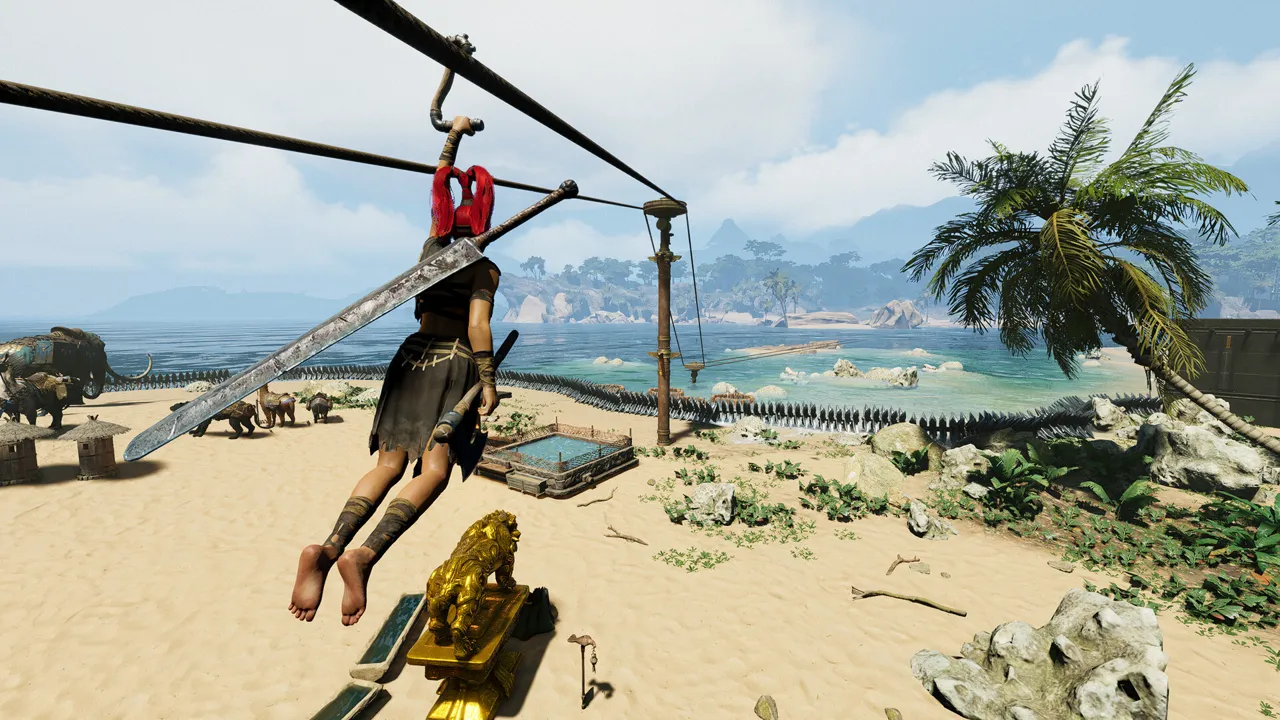
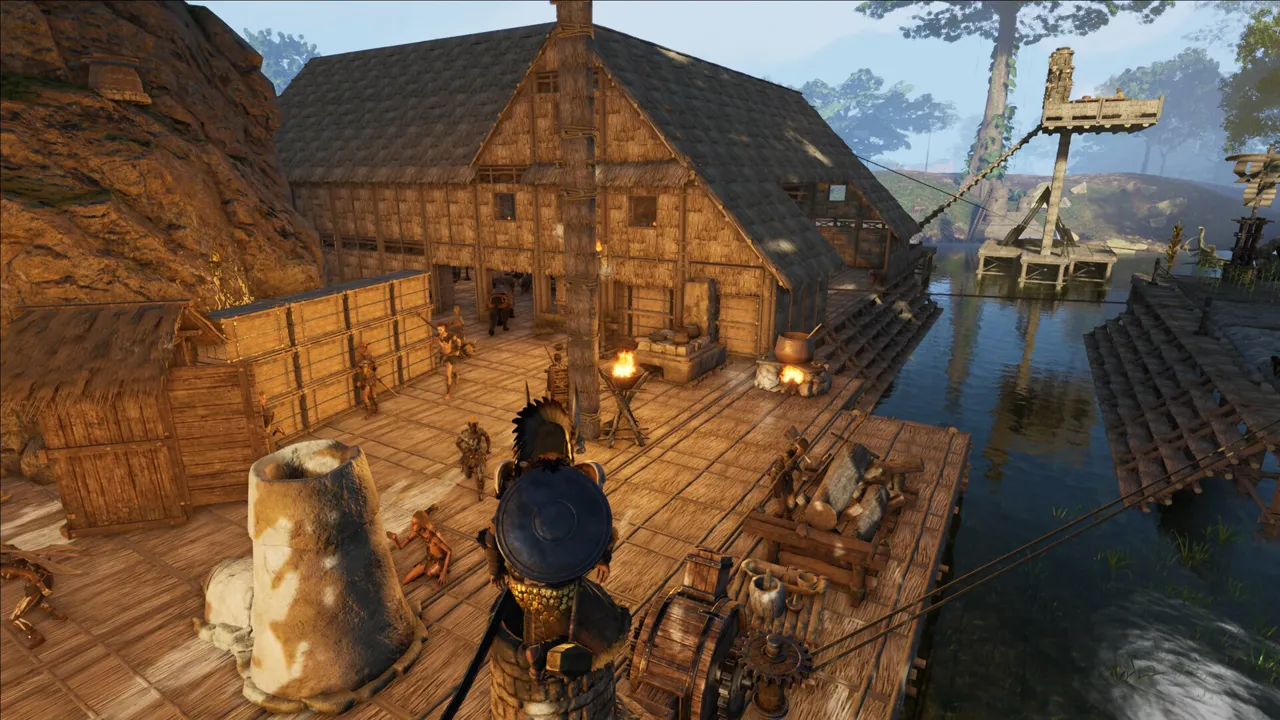
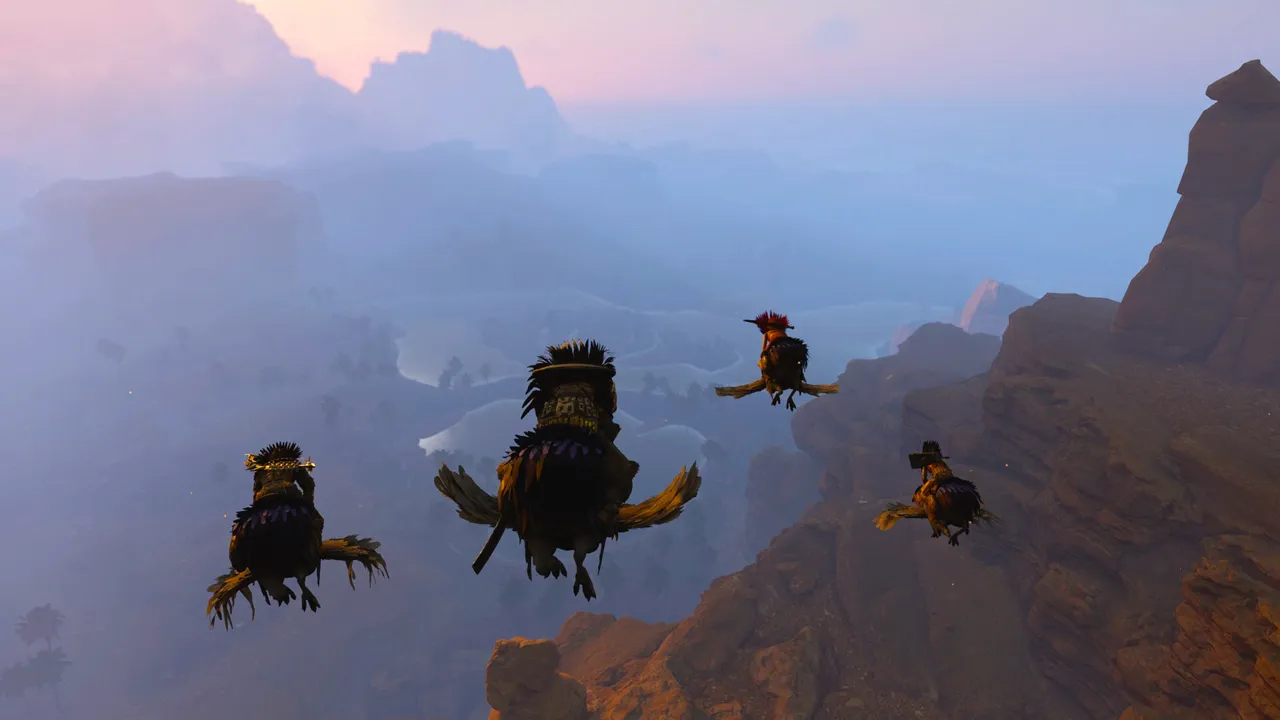
Soulmask
Server Hosting for tribal survival, base building, and large-scale raids
Launch a dedicated Soulmask server in minutes with
stable performance, fast saves, and easy tribe management. Keep your world online
so your tribe can grow, craft, and conquer together.
Yes. Set a password or whitelist players
in the control panel.
Plans scale by player slots. Pick S, M,
or L based on your group size.
Yes. Upload your world save via the file
manager or FTP and keep all player data.
We host in US West (Oregon), US East (Virginia),
US North-East (Toronto), Europe West (Paris), and Australia (Sydney) for low latency.
Yes. We run automatic snapshots and provide
on-demand backups for quick restores.
Average Soulmask server hosting cost is
about $8-$16 per month for small tribes, with larger groups
typically $16-$28. Pricing follows player slots, world size,
and bandwidth.
Yes. In My Account → Subscriptions, you can upgrade to a higher tier of the same game with the same billing cadence (for example, monthly to monthly). Downgrades are not available right now. During an upgrade, your deployment is updated in place (quota update + restart), not wiped and recreated.
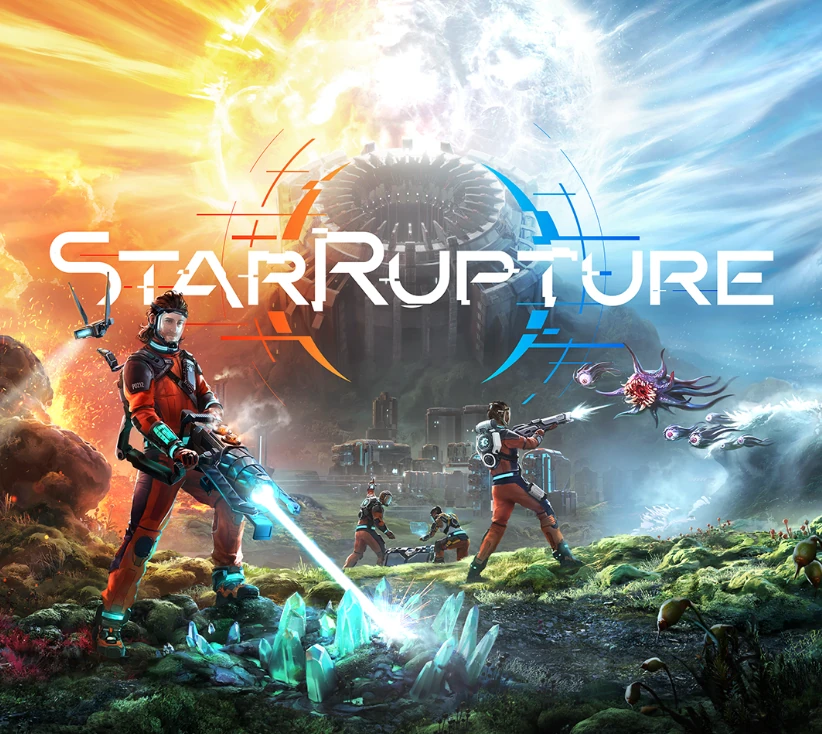
Star Rupture
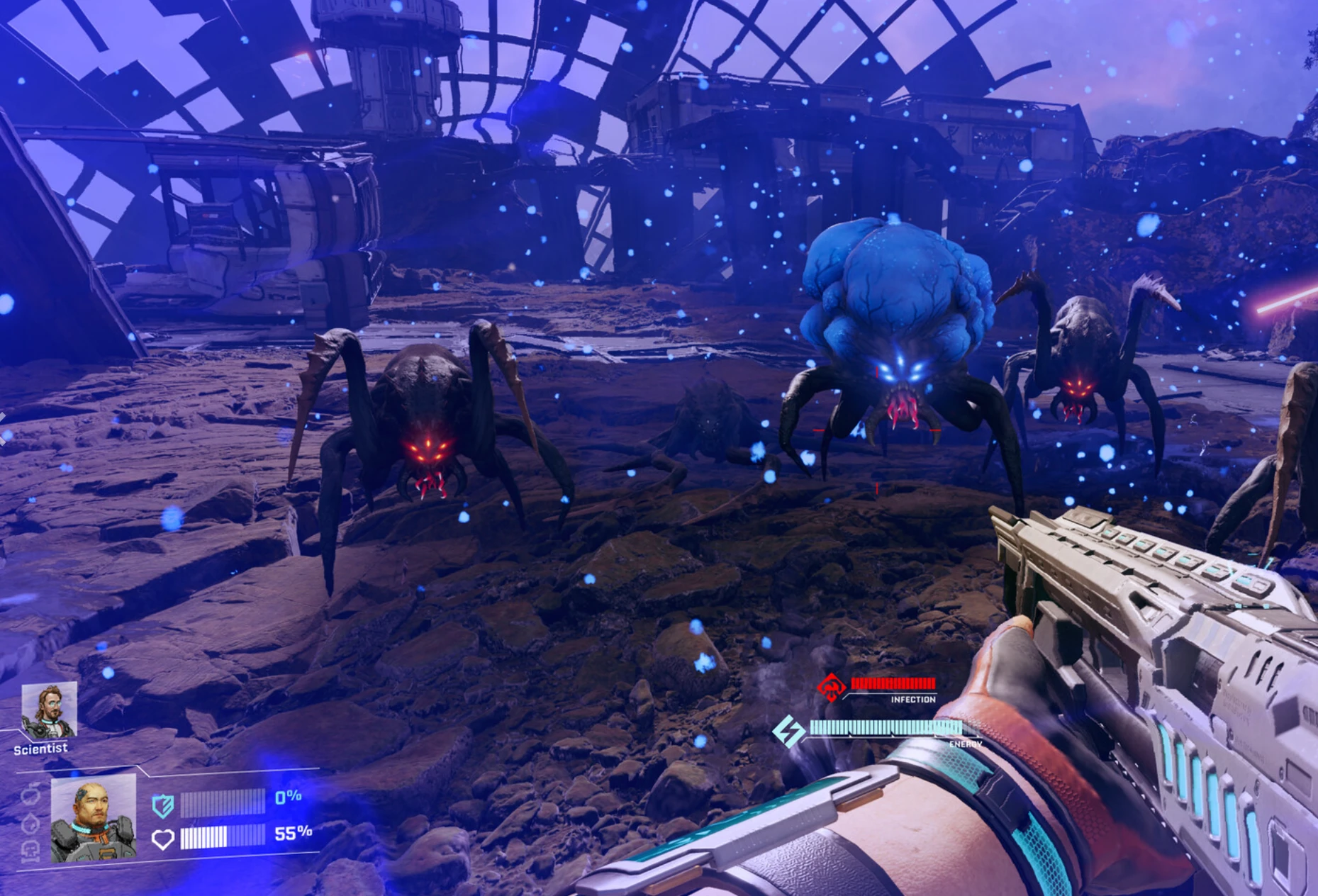
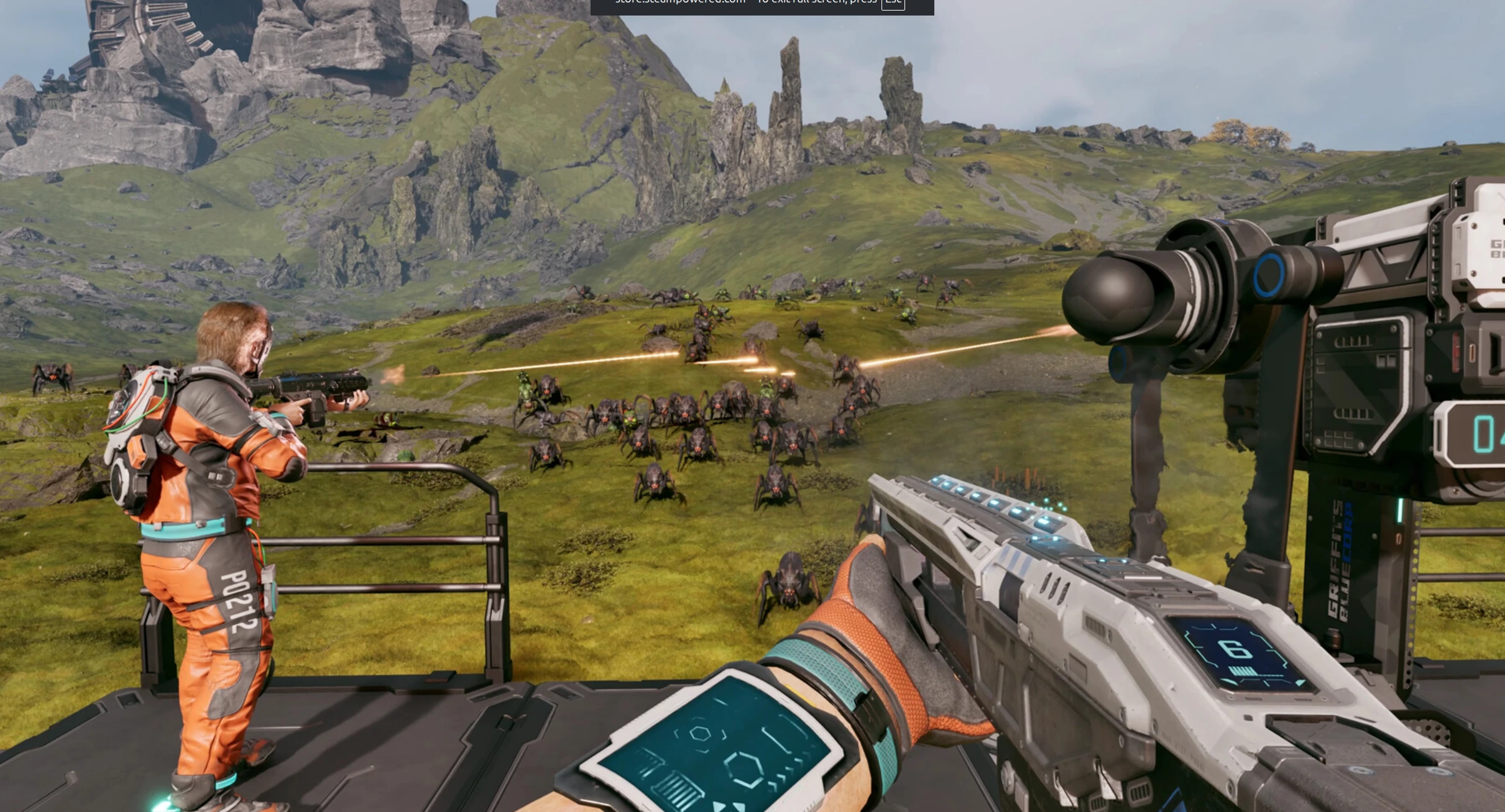
Server Hosting for automation survival, base defense, and persistent worlds
Launch a dedicated Star Rupture server in minutes with
stable performance, fast saves, and easy configuration management. Keep your world online
for your crew, your outpost, and your long-term progression.
Keep large base events, expeditions, and combat responsive with reliable
uptime and consistent saves.
Roleplay servers and faction communities
Run custom rulesets, PvP/PvE mixes, and community events with full
control over your Star Rupture world settings.
Backups, restores, and long-term progression
Protect your players’ progress with automated snapshots and quick restore
options whenever updates or config changes go wrong.
The Star Rupture Frontier
From industrial outposts to high-risk expeditions, Star Rupture is built around tension,
teamwork, and smart planning. Keep your server online for every session.
Outpost builds
Reliable saves for long-term base progression.
Scavenging routes
Low latency for high-risk expedition routes.
Night operations
Stable sessions for coordinated team fights.
Discord bot
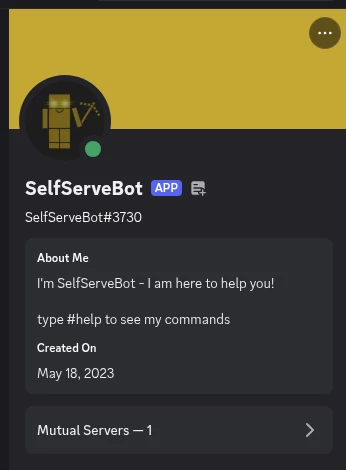
Self-Serve Bot in Discord
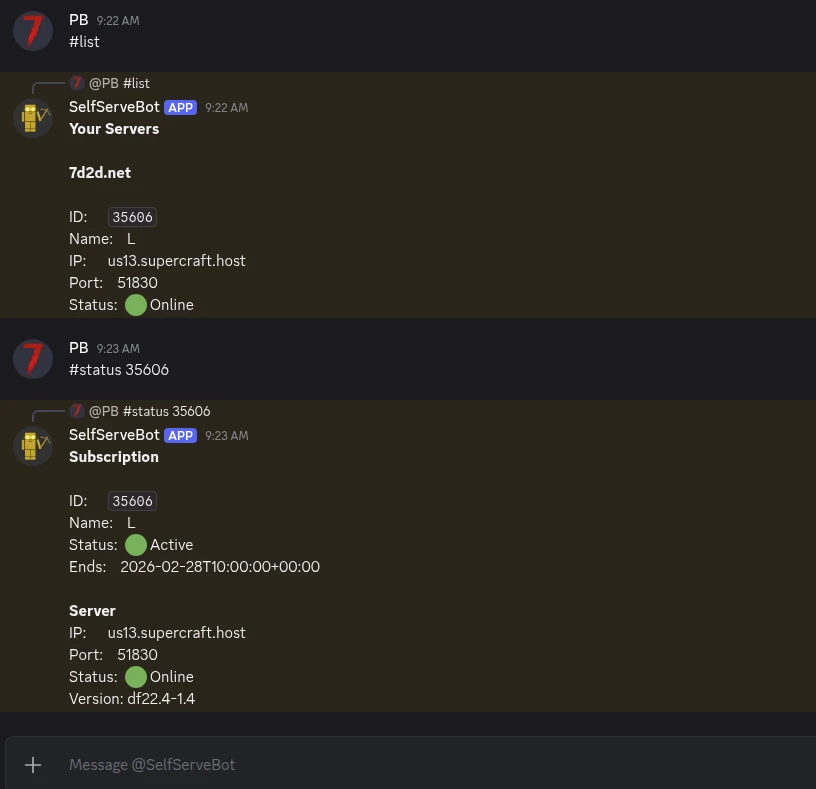
Instant control of your Star Rupture server without tickets or waiting. Type a command and go.
Start, stop, restart, and check status in seconds.
Secure by design: only your subscriptions are accessible.
Yes. You can tune world settings,
server rules, and access controls from the panel, then restart safely.
Player capacity depends on your plan,
world activity, and server settings. You can scale as your community grows.
Yes. Move your server between regions from
the panel without wiping progress.
We run automated snapshots and provide
on-demand backups for quick restores.
Set a password or whitelist players in the
control panel.
Pricing is based on plan tier and
billing term. Pick the setup that matches your expected player load.
Yes. In My Account → Subscriptions, you can upgrade to a higher tier of the same game with the same billing cadence (for example, monthly to monthly). Downgrades are not available right now. During an upgrade, your deployment is updated in place (quota update + restart), not wiped and recreated.
I’ve been playing Satisfactory for a while now, and let me tell you – it’s an incredible game. Building my own futuristic factory from scratch, managing resources, and optimizing production is incredibly engaging… until it all gets too much to handle.
It’s easy to get caught up in the excitement of setting up new systems, experimenting with different blueprints, and trying to optimize every aspect of your factory. But sometimes, it feels like the game is just too overwhelming. You start to feel like you’re drowning in a sea of pipes, wires, and conveyor belts.
I’ve been there, done that, and got the t-shirt (or in this case, the game saves). So, I wanted to share some strategies that have helped me cope with the overwhelm and get back on track.
First off, it’s essential to acknowledge when you’re feeling overwhelmed. Take a step back, close the game for a minute or two, and do something completely unrelated – go for a walk, watch a funny video, or simply stare at the ceiling. This helps clear your head and gives you some much-needed perspective.
When you return to the game, try focusing on one specific area that’s causing the most stress. Maybe it’s a particular production line that’s not meeting its targets, or perhaps there’s a critical resource shortage you’re struggling to address. Don’t worry about optimizing everything at once; just tackle that one problem and get it under control.
Another trick I’ve learned is to break down my factory into smaller, manageable chunks. This means identifying specific goals for each area of the factory and prioritizing them based on importance and complexity. It’s amazing how much more achievable these tasks become when they’re not overwhelming you.
This approach also helps me avoid getting bogged down in minute details – like trying to optimize every single production line or resource allocation by myself. Instead, I focus on high-level decisions that drive the overall direction of my factory. This is key because it’s easy to get sucked into nitpicking individual components when what you really need to be doing is thinking about how they fit into the bigger picture.
Another crucial aspect of staying sane in Satisfactory is recognizing when it’s okay to accept imperfection. There will always be areas where I’m not meeting my own standards, or resources that are being wasted due to suboptimal designs. However, sometimes you just need to acknowledge those limitations and move forward anyway.
This mindset shift has been a game-changer for me – no pun intended. It’s essential to remember that Satisfactory is a game meant to be enjoyed, not a never-ending source of frustration. So, when all else fails, take a deep breath, and remind yourself why you started playing in the first place: for fun.
Lastly, I want to emphasize the importance of self-care (yes, video games can be a form of self-care!). Don’t neglect your real-life responsibilities or relationships just because you’re trying to optimize that one pesky production line. Remember that there’s always tomorrow to fix it.
By following these strategies, I’ve been able to maintain my sanity and keep on enjoying the game despite its overwhelming nature. So, if you find yourself feeling like a Satisfactory factory manager gone rogue, take a deep breath, and try some of these approaches – your mental health (and your in-game productivity) will thank you.
As a Satisfactory player, you’re probably no stranger to the constant struggle of balancing resource production with storage space. It’s easy to get caught up in the excitement of building and expanding your factory, only to realize that you’ve run out of room to store all those precious resources.
I’ve found myself in this exact situation more times than I can count. The frustration of having to constantly clean up and reorganize my factory just to free up a little extra space is real. But, as the game’s motto goes, “Make it Satisfactory” – so let’s get down to business and figure out how to make that happen!
One thing to keep in mind is that there’s no one-size-fits-all approach when it comes to stockpiling resources. The key is finding a balance that works for your unique gameplay style and the specific challenges you’re facing.
First off, let’s talk about the importance of prioritization. When it comes to storing resources, it’s crucial to focus on the most critical ones first – I’m looking at you, copper! With all the high-demand components and gadgets out there, it’s easy to get overwhelmed by the sheer amount of material needed.
But before we dive into strategies for managing that stockpile, let me ask: have you ever stopped to think about the actual space efficiency of your storage? I know I haven’t – at least, not until I found myself knee-deep in a sea of crates and containers with no end in sight. Newsflash: it’s time to rethink your approach!
Here’s what I’ve learned works for me (and maybe you too!):
The 80/20 Rule
When deciding where to store resources, I always aim to follow the Pareto principle. This means dedicating a solid 80% of my storage space to the most essential materials – copper, glass, and metal – while leaving the remaining 20% for less frequently used items.
Don’t get me wrong; this isn’t about abandoning the idea of storing “nice-to-haves” entirely! It’s more about being realistic about your resource production. When you’re stuck in a loop of constantly needing to clean up and reorganize, it becomes clear that something needs to change.
Categorization is Key
Let me tell you – there’s nothing quite like the thrill of trying to find that one misplaced crate of copper only to realize it was buried beneath a mountain of plastic. Sound familiar? It definitely did for me!
In all seriousness though, I’ve found it essential to categorize and separate my resources by type from the get-go. This way, you can quickly identify what’s available when you need it most. Trust me, the sense of relief is real!
Automated Storage
I know what you’re thinking: “AlexTr1, isn’t automation just a fancy word for ‘lazy’?” Hear me out! While I’m not saying it’s a substitute for good ol’ fashioned resource management, there are some incredible benefits to incorporating automated storage into your factory. For starters, it allows for much more efficient use of space – no more tedious reorganizing or scrambling to find that one crucial piece!
What I like to do is set up separate conveyor systems for each category of resource, and then have them drop off at designated “hubs.” From there, you can send those resources directly to the machines that need them. It’s a game-changer!
The Power of Vertical Expansion
I used to think vertical expansion was just a fancy way to say “build up instead of out” – boy, was I wrong! The truth is, Satisfactory’s world is all about finding creative ways to maximize space and minimize unnecessary movement. By building upwards, you’re not only freeing up ground-level real estate for actual production but also opening up new opportunities for storage and transportation.
I’ve started experimenting with stacked crates and modular containers – it’s amazing how much extra room I was able to create without sacrificing any functionality!
Don’t Forget the Periphery
Last but certainly not least, let’s talk about those pesky periphery areas. We’ve all been there: clicking on a seemingly empty space only to realize it’s actually stuffed to the brim with crates or containers. Newsflash: this is a goldmine! Take some time to re-examine your factory layout and identify any opportunities for optimization.
Remember, every little bit counts – whether that means rearranging some crates or adding an extra shelf here and there.
And there you have it! A quick rundown of my tried-and-true strategies for keeping up with Satisfactory’s frantic pace. By prioritizing the essentials, leveraging automation, going vertical, and optimizing periphery areas, I’ve managed to not only free up precious space but also increase overall efficiency. Now it’s your turn – which stockpiling secrets will you be trying out?
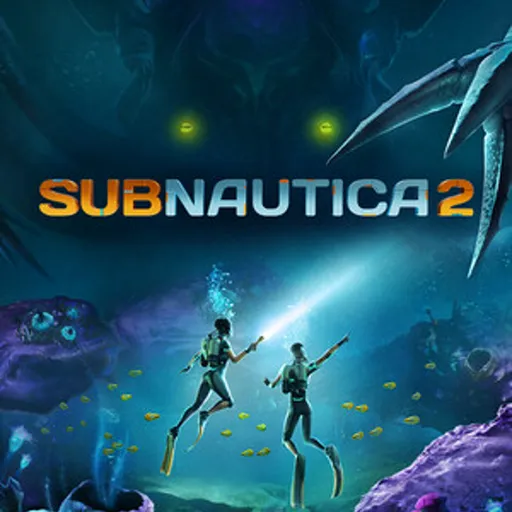
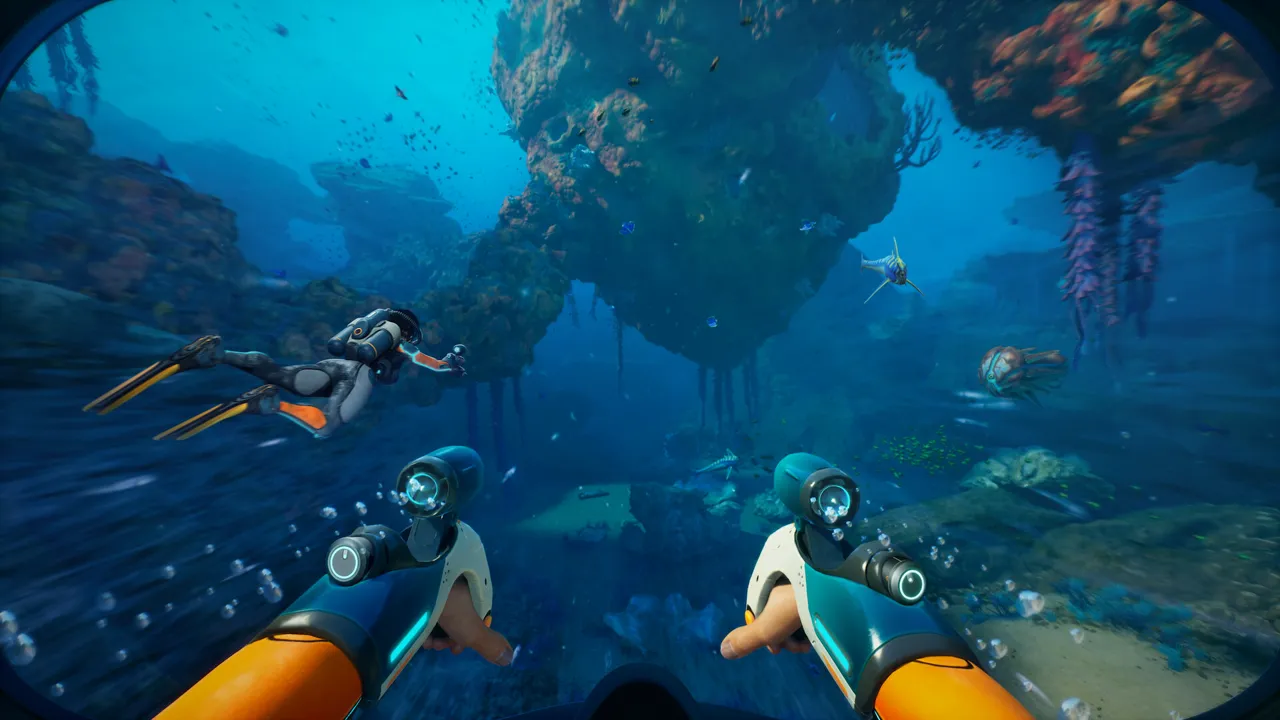
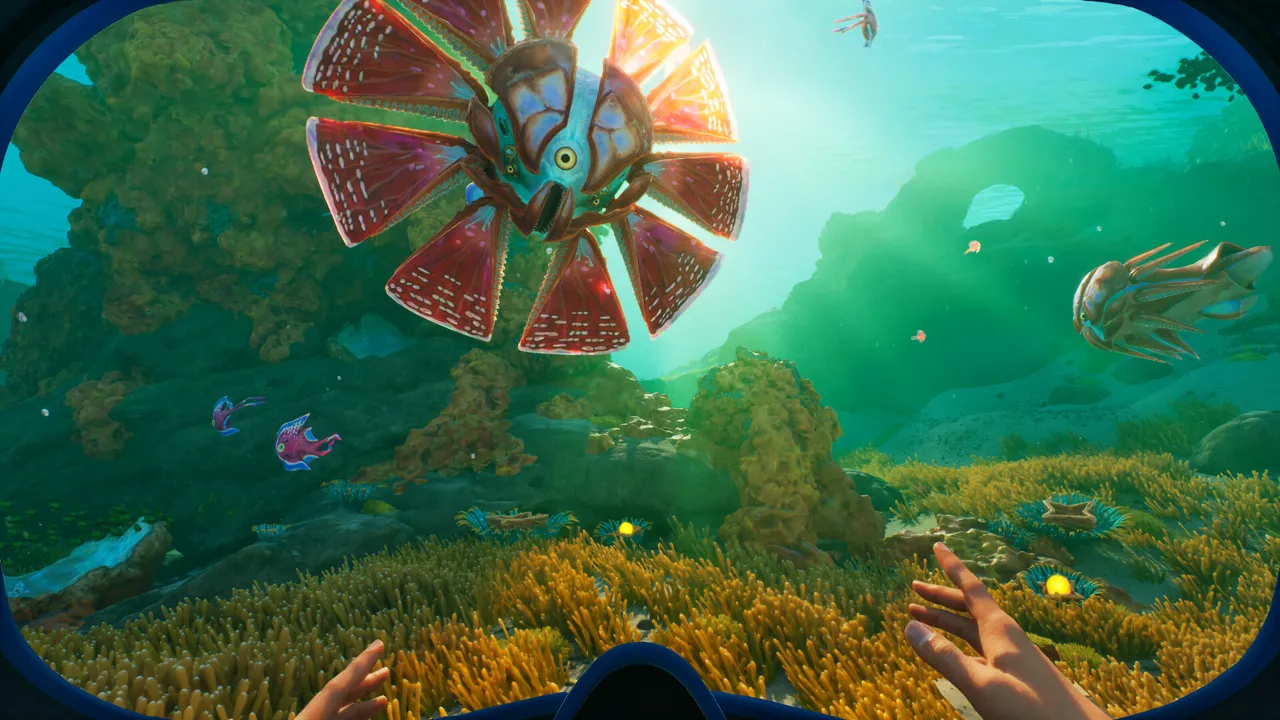
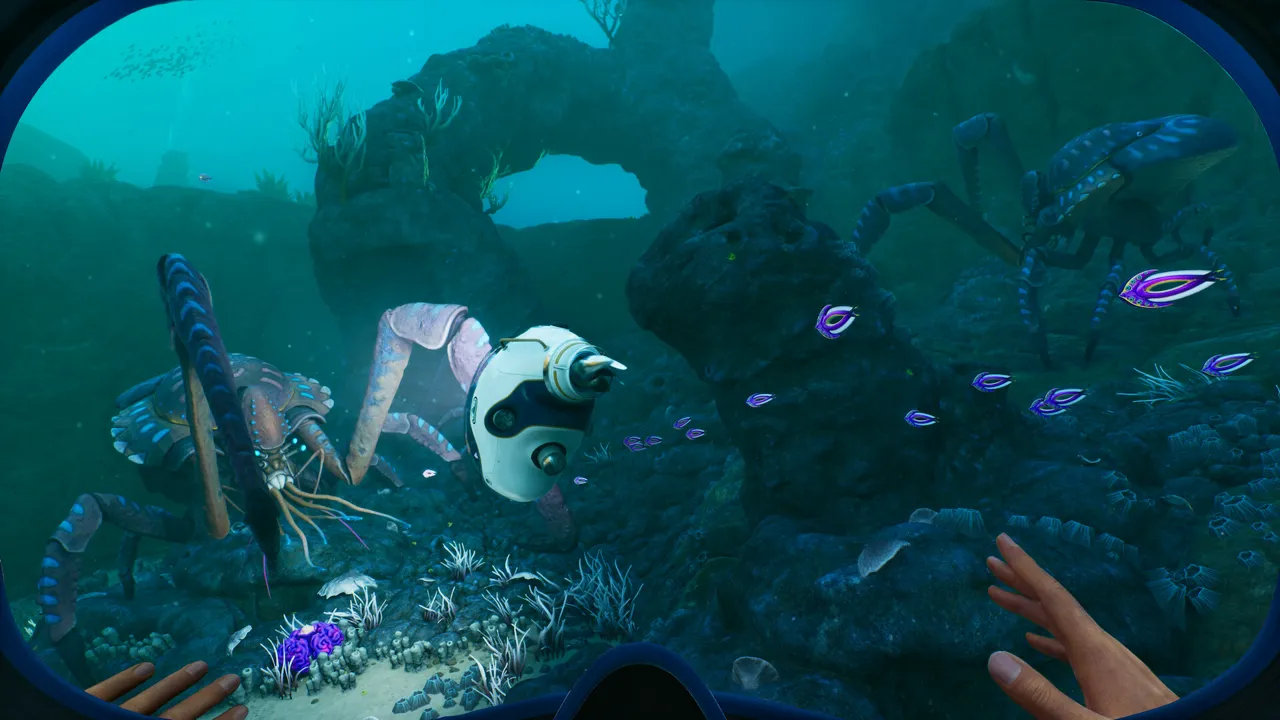
Subnautica 2
Server Hosting for co-op underwater survival, exploration, and long-running worlds
Launch a dedicated Subnautica 2 server in minutes with
stable performance, fast saves, and easy configuration management. Keep your world online
for your crew, your bases, and long-term progression.
Keep city events, police chases, and large RP sessions responsive with reliable
uptime and consistent saves.
Roleplay servers and faction communities
Run custom rulesets, PvP/PvE mixes, and community events with full
control over your Subnautica 2 server settings.
Backups, restores, and long-term progression
Protect your players' progress with automated snapshots and quick restore
options whenever updates or config changes go wrong.
The Subnautica 2 Roleplay World
From city districts to high-pressure operations, Subnautica 2 is built around tension,
teamwork, and smart planning. Keep your server online for every session.
Underwater exploration
Stable worlds for long sessions and co-op progression.
Base building
Smooth saves for long-term builds and crafting.
Deep sea encounters
Low latency for responsive fights and events.
Discord bot
Self-Serve Bot in Discord
Instant control of your Subnautica 2 server without tickets or waiting. Type a command and go.
Start, stop, restart, and check status in seconds.
Secure by design: only your subscriptions are accessible.
Yes. You can tune world settings,
server rules, and access controls from the panel, then restart safely.
Player capacity depends on your plan,
world activity, and server settings. You can scale as your community grows.
Yes. Move your server between regions from
the panel without wiping progress.
We run automated snapshots and provide
on-demand backups for quick restores.
Set a password or whitelist players in the
control panel.
Pricing is based on plan tier and
billing term. Pick the setup that matches your expected player load.
Yes. In My Account → Subscriptions, you can upgrade to a higher tier of the same game with the same billing cadence (for example, monthly to monthly). Downgrades are not available right now. During an upgrade, your deployment is updated in place (quota update + restart), not wiped and recreated.
Sunkenland
Server Hosting for ocean survival, base building, and co-op scavenging
Launch a dedicated Sunkenland server in minutes with
stable performance, fast saves, and easy configuration management. Keep your world online
for your crew, your outposts, and long-term progression.
Keep dives, scavenging runs, and base defense responsive with reliable uptime and consistent saves.
Co-op squads and PvP communities
Run custom rates, PvP/PvE mixes, and community rulesets with full control over your Sunkenland server settings.
Backups, restores, and long-term progression
Protect your players' progress with automated snapshots and quick restore
options whenever updates or config changes go wrong.
A waterworld of ruins, outposts, and raids
From fortified bases to high-risk scavenging runs, Sunkenland is built around tension, teamwork, and long-term progression. Keep your server online for every session.
Raft and base building
Stable saves for long-term base progression.
Dives and scavenging
Low latency for tense underwater runs and loot routes.
Raids and defenses
Smooth fights for base defense and coordinated raids.
Discord bot
Self-Serve Bot in Discord
Instant control of your Sunkenland server without tickets or waiting. Type a command and go.
Start, stop, restart, and check status in seconds.
Secure by design: only your subscriptions are accessible.
Yes. You can tune world settings,
server rules, and access controls from the panel, then restart safely.
Player capacity depends on your plan,
world activity, and server settings. You can scale as your community grows.
Yes. Move your server between regions from
the panel without wiping progress.
We run automated snapshots and provide
on-demand backups for quick restores.
Set a password or whitelist players in the
control panel.
Pricing is based on plan tier and
billing term. Pick the setup that matches your expected player load.
Yes. In My Account → Subscriptions, you can upgrade to a higher tier of the same game with the same billing cadence (for example, monthly to monthly). Downgrades are not available right now. During an upgrade, your deployment is updated in place (quota update + restart), not wiped and recreated.